Birthstones
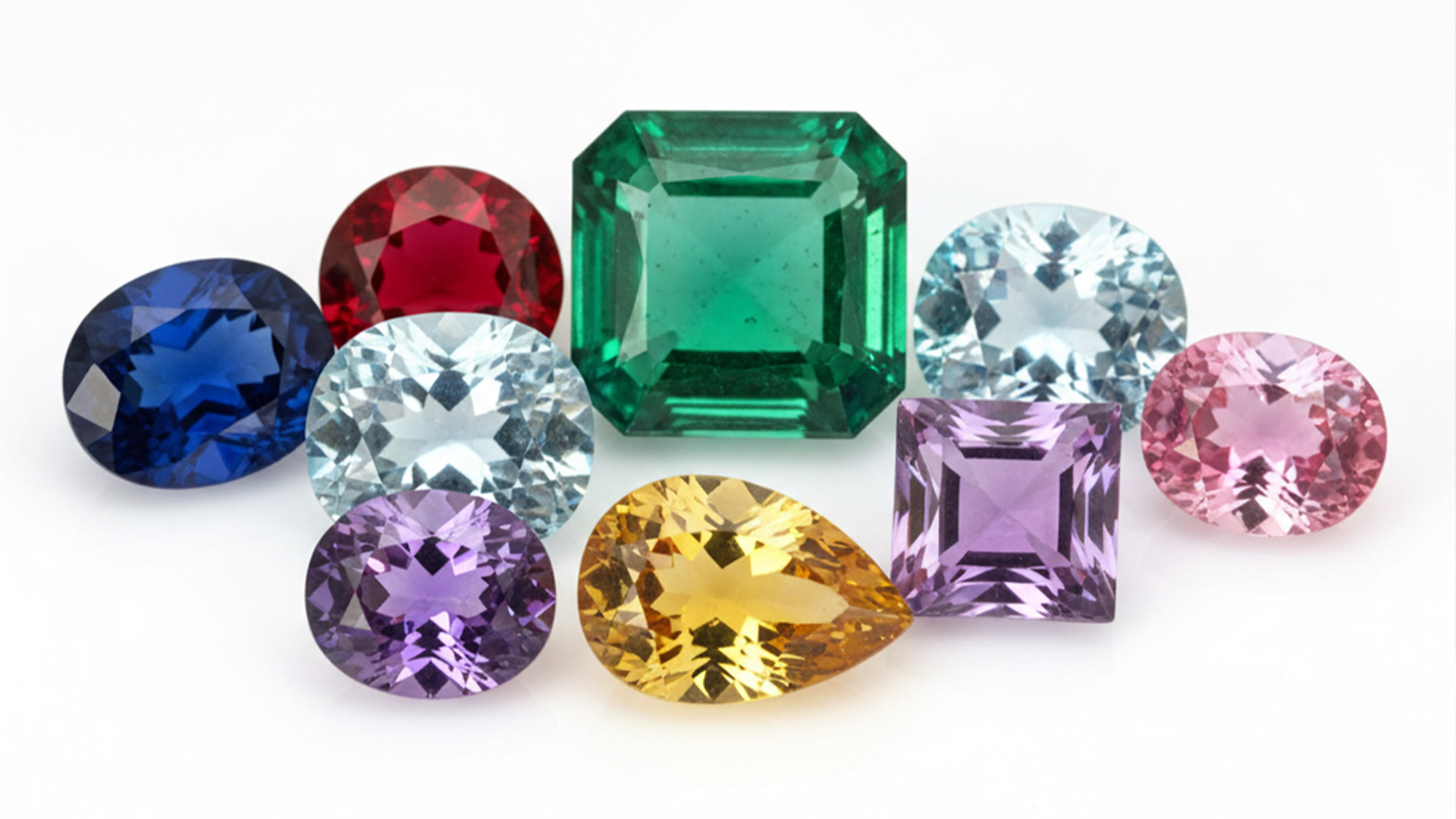
Discover the beauty of birthstones, their history, and why they make unique gifts for many occasions.
Discover the beauty of birthstones, their history, and why they make unique gifts for many occasions.
Why do we have Gemstones for each month?
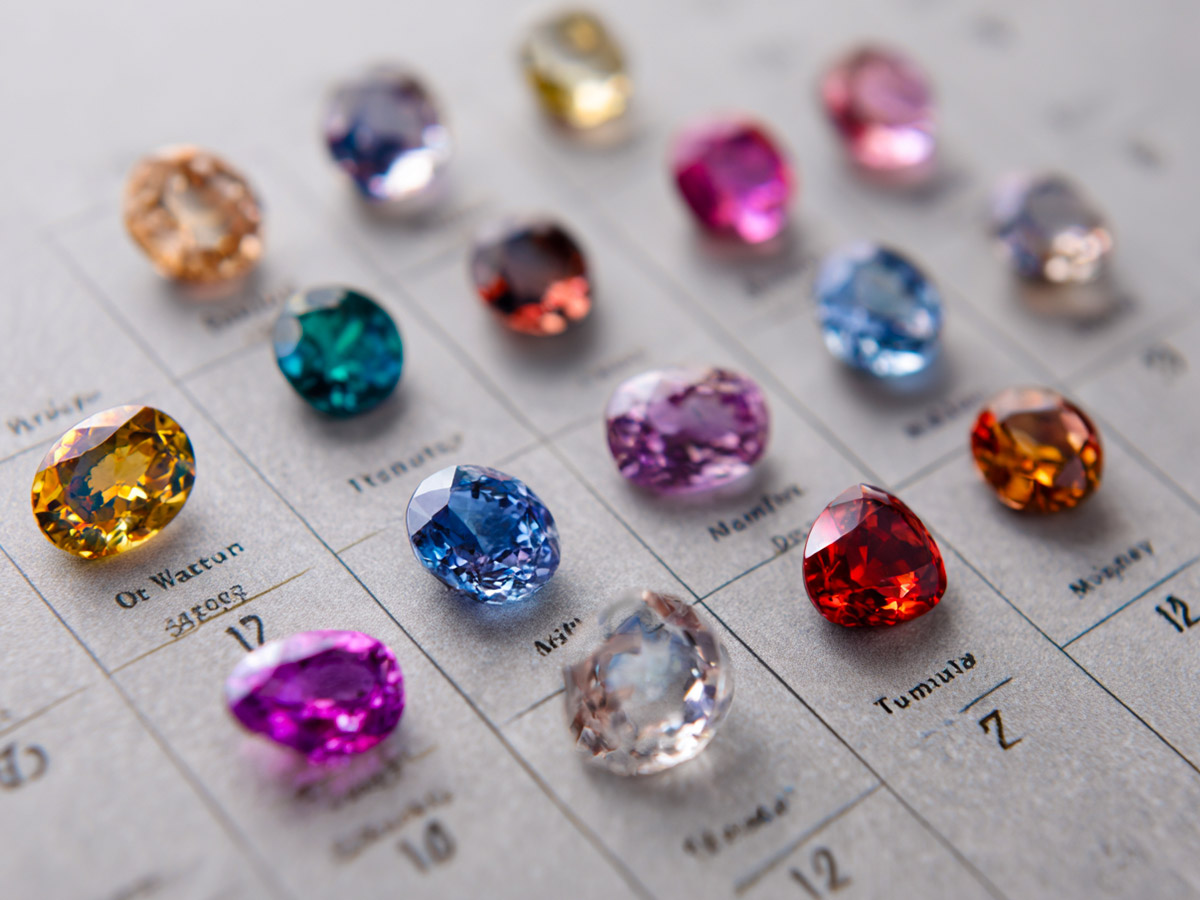
The concept of birthstones originated from ancient and biblical sources, primarily the Breastplate of Aaron described in the Book of Exodus. The12 stones in Aaron’s breastplate connected to the months of the year and the signs of the Zodiac. For centuries, people would wear a different one each month. Eastern culture recognised gemstones associated with birth and celestial bodies. Historians believe the custom of wearing a single birthstone originated in 18th-century Poland. In the USA in1912 jewellers standardised the list of birthstones, partly influenced by commercial factors and stone availability. The list has been updated over the years, including the addition of Tanzanite for December, Spinel for August, Citrine for November and Pink Tourmaline for October.
Why do we have Gemstones for each month?
Gemstones durability
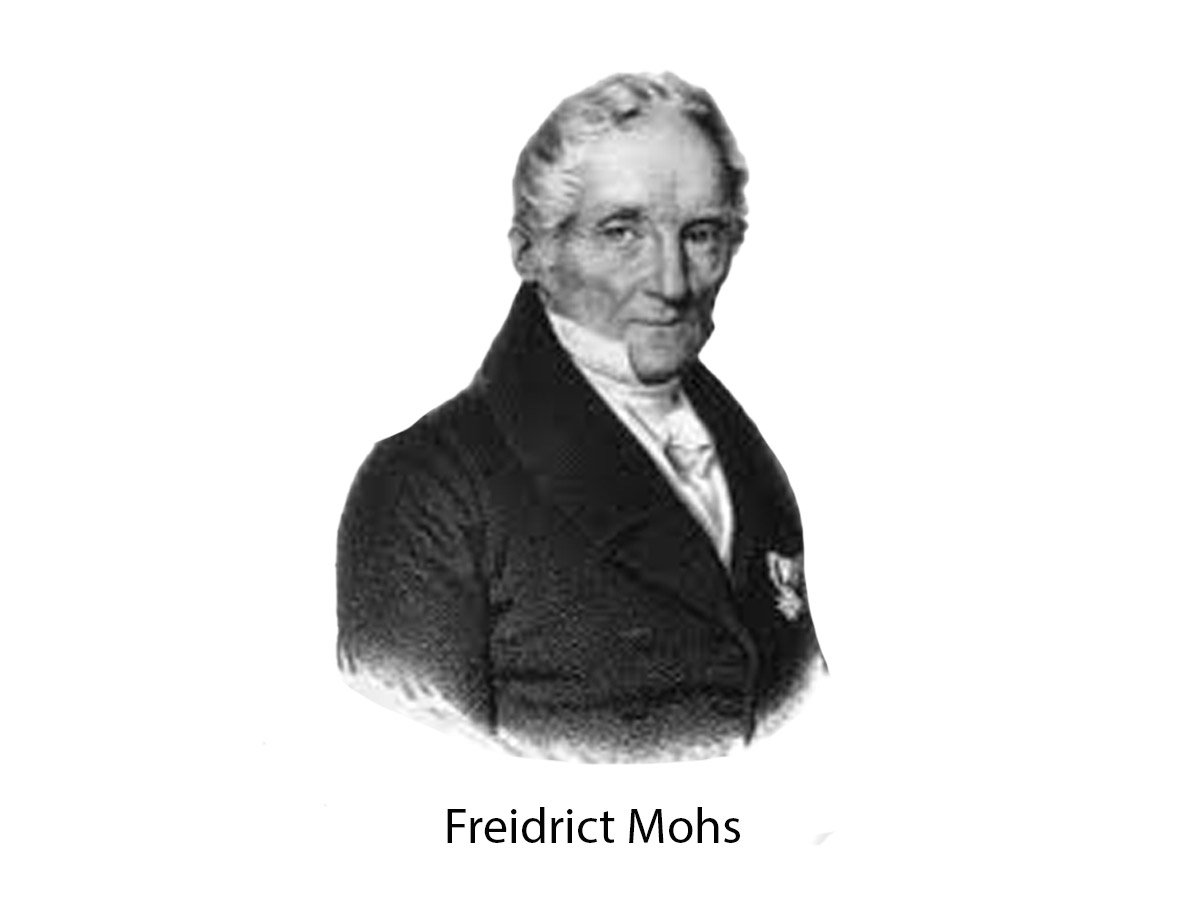
Gemstones vary in hardness and toughness. Hardness refers to the ability to resist scratching, and toughness refers to the ability to resist chipping or breaking. The Mohs scale is a simple ranking of how hard minerals are, specifically, how resistant they are to being scratched. It goes from 1 (softest) to 10 (hardest). German mineralogist Mohs devised the scale of ‘scratchability’. Each one will scratch those below it on the scale, but will not be scratched by those above it. Talc is the softest, diamond is the hardest, and gemstones range in between, indicating how they can be worn in jewellery; as a general rule, the softer stones are designed to be worn occasionally.
Gemstones durability
January-Garnet
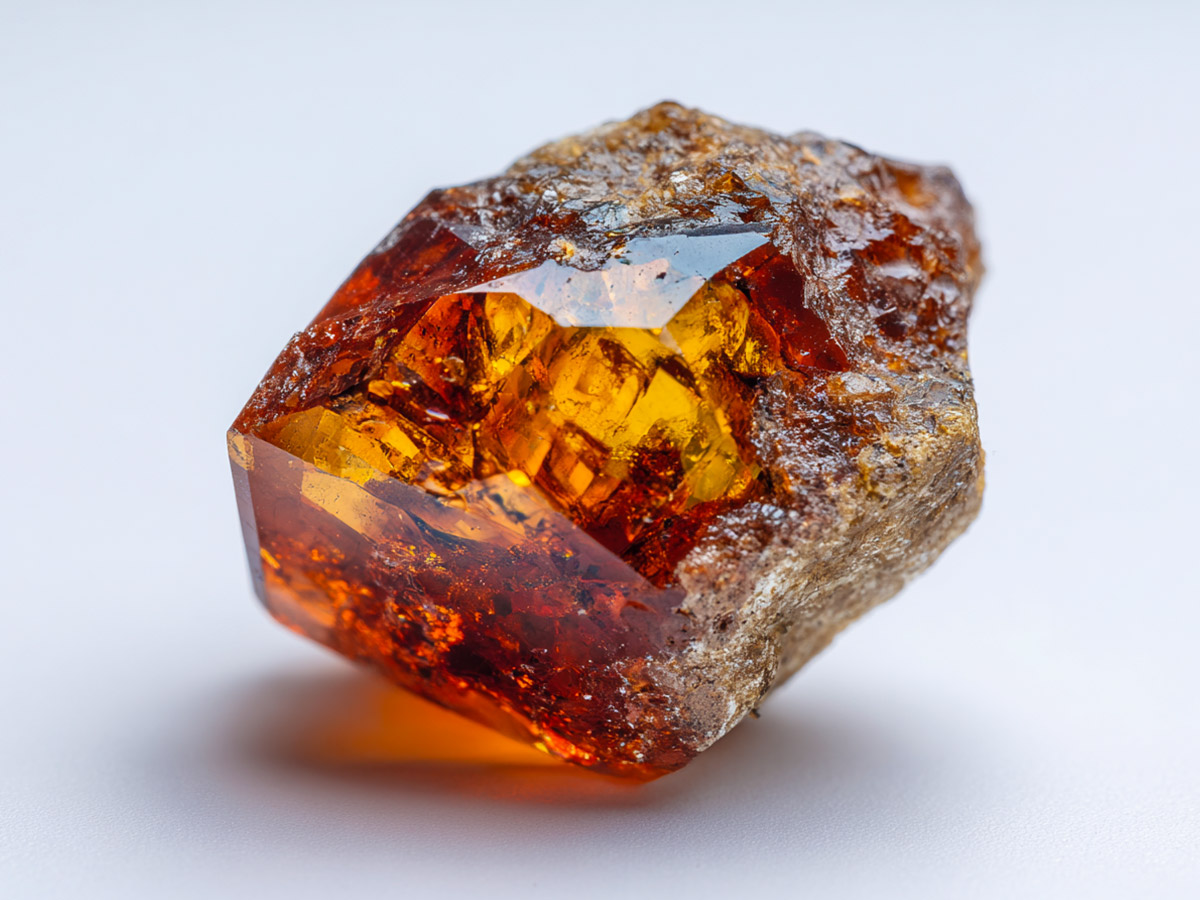
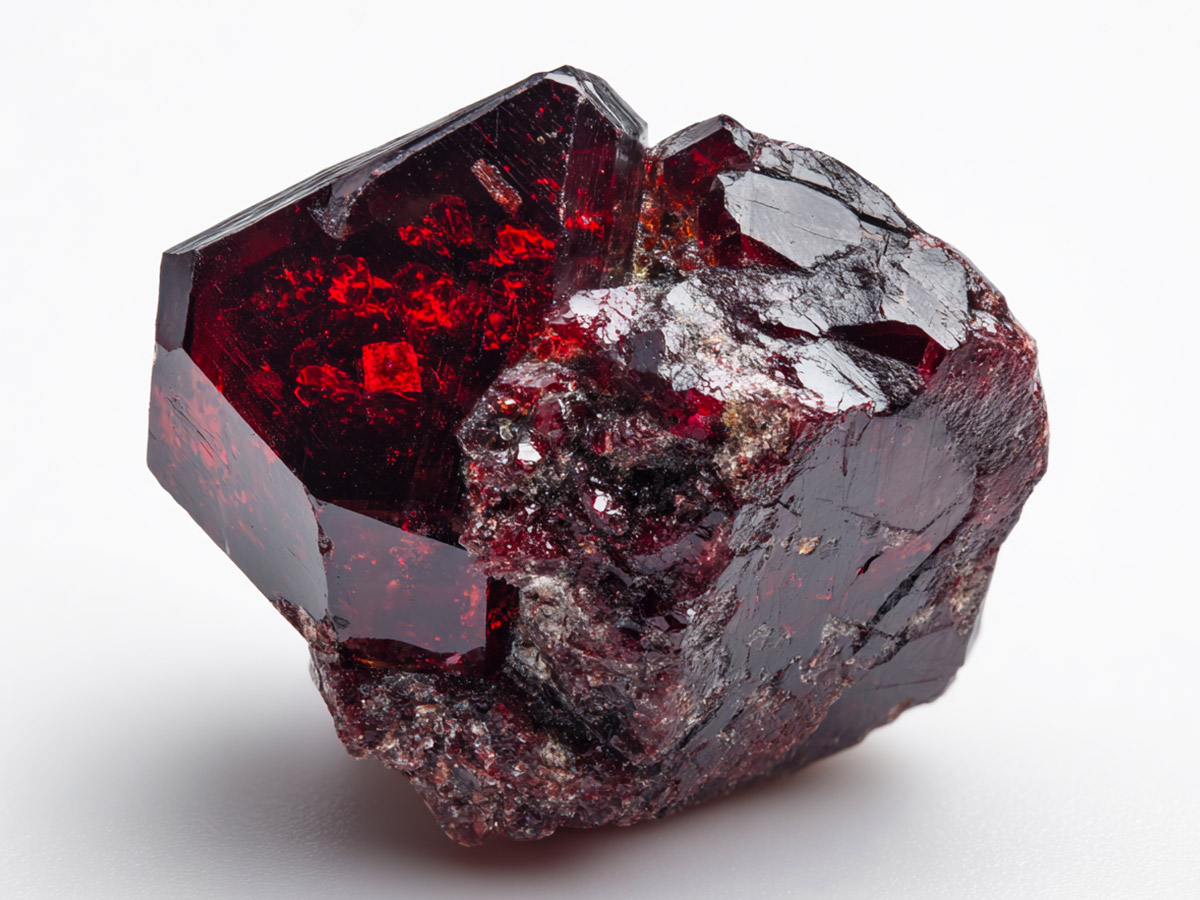
Those born in January have the beautiful and diverse garnet as their birthstone. Garnets are commonly red but also come in an extraordinary range of colours, including orange, yellow, purple and vibrant green called Tsavorite. Some believe the true value of the garnet birthstone is its power to bring the wearer good health, cure melancholy and warm the heart. Found in metamorphic rocks, natural garnets are sourced mostly from East African countries, Tanzania, Kenya and Madagascar. Natural garnets are rarely treated. Red garnet necklaces were worn by Egyptian Pharaohs and were entombed with their mummies as prized possessions for the afterlife. Hardness: Good - Mohs scale 6.5 - 7.5
January-Garnet
February-Amethyst
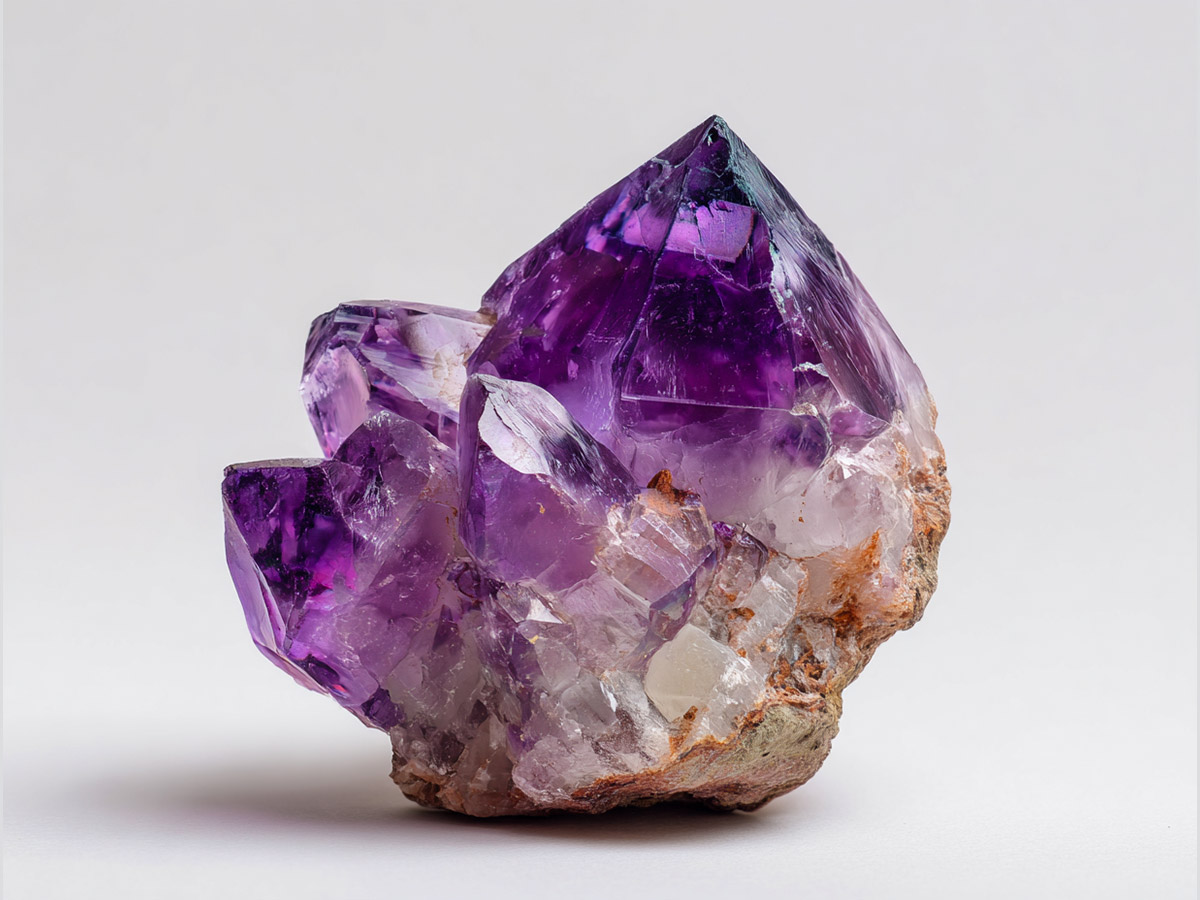
In ancient Greek, Amethystos means ‘not drunk’. It was associated with Bacchus, the God of Wine, because of its wine-like colour. Legends held that amethyst kept the wearer clear-headed and quick-witted in battle and business affairs. Amethysts are composed of crystalline quartz and can be ‘dichroic’, showing a bluish or reddish tinge when viewed from different angles. Some amethyst is heat-treated, changing the colour to yellow, to form citrine. Found in alluvial deposits, amethyst traditionally came from the Urals in Russia, but in the 19th century, large deposits were found in Brazil. Amethyst is also found in Africa. Hardness: Good - Mohs scale 7
February-Amethyst
March-Aquamarine
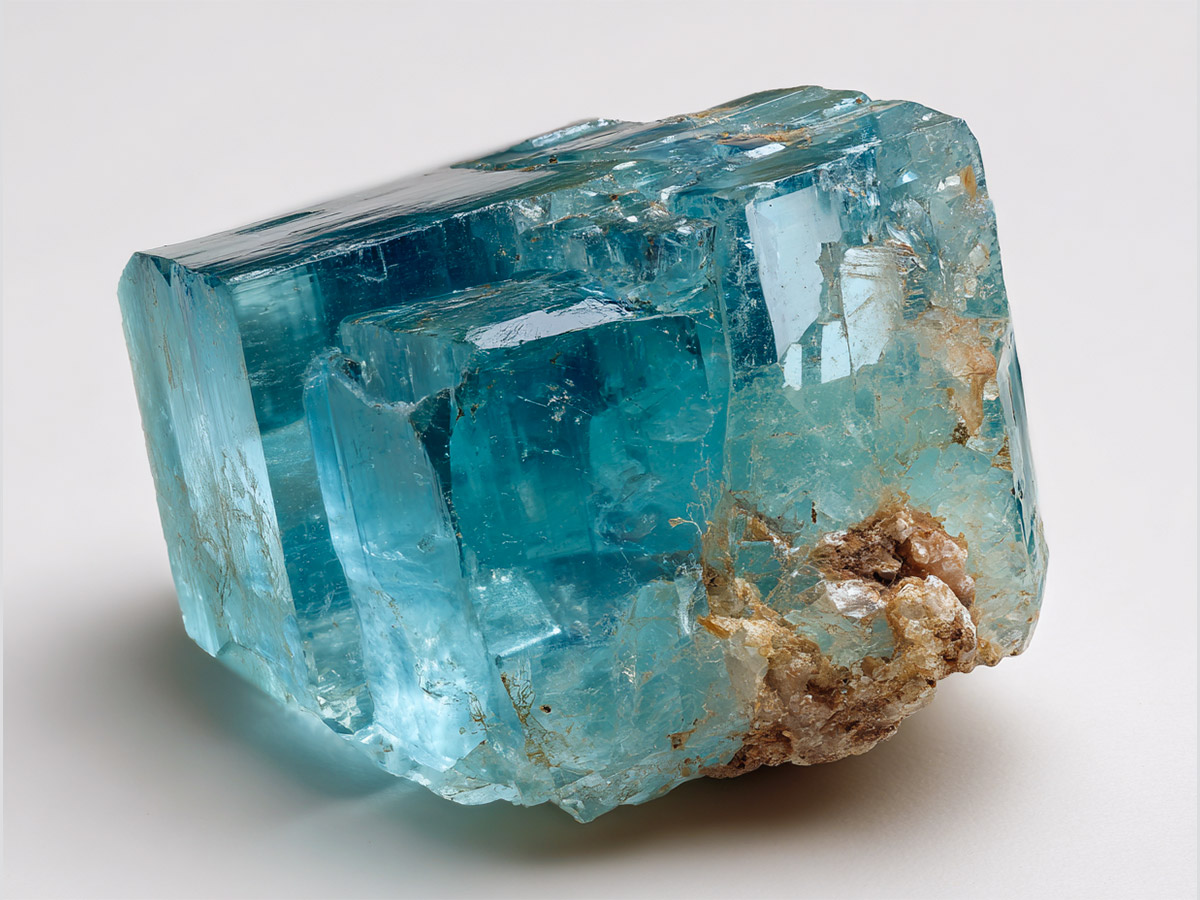
Legends say Aquamarine comes from the treasure chests of mermaids, carried for good luck by mariners protecting them from the wrath of Poseidon. The ancients regarded Aquamarine as fostering tranquillity, serenity, calmness, purification and wisdom. It is also a gift for the 19th wedding anniversary. Aquamarine is coloured by trace amounts of iron, with varying concentrations producing a stunning range from pastel to intense deep blues, sometimes with splashes of green. Most faceted aquamarines are free of eye-visible inclusions. Aquamarine is found mainly in Brazil and Pakistan. Aquamarine can be heat-treated to enhance its blue colour. Hardness: Good - Mohs scale 7.5 – 8
March-Aquamarine
April-Diamond
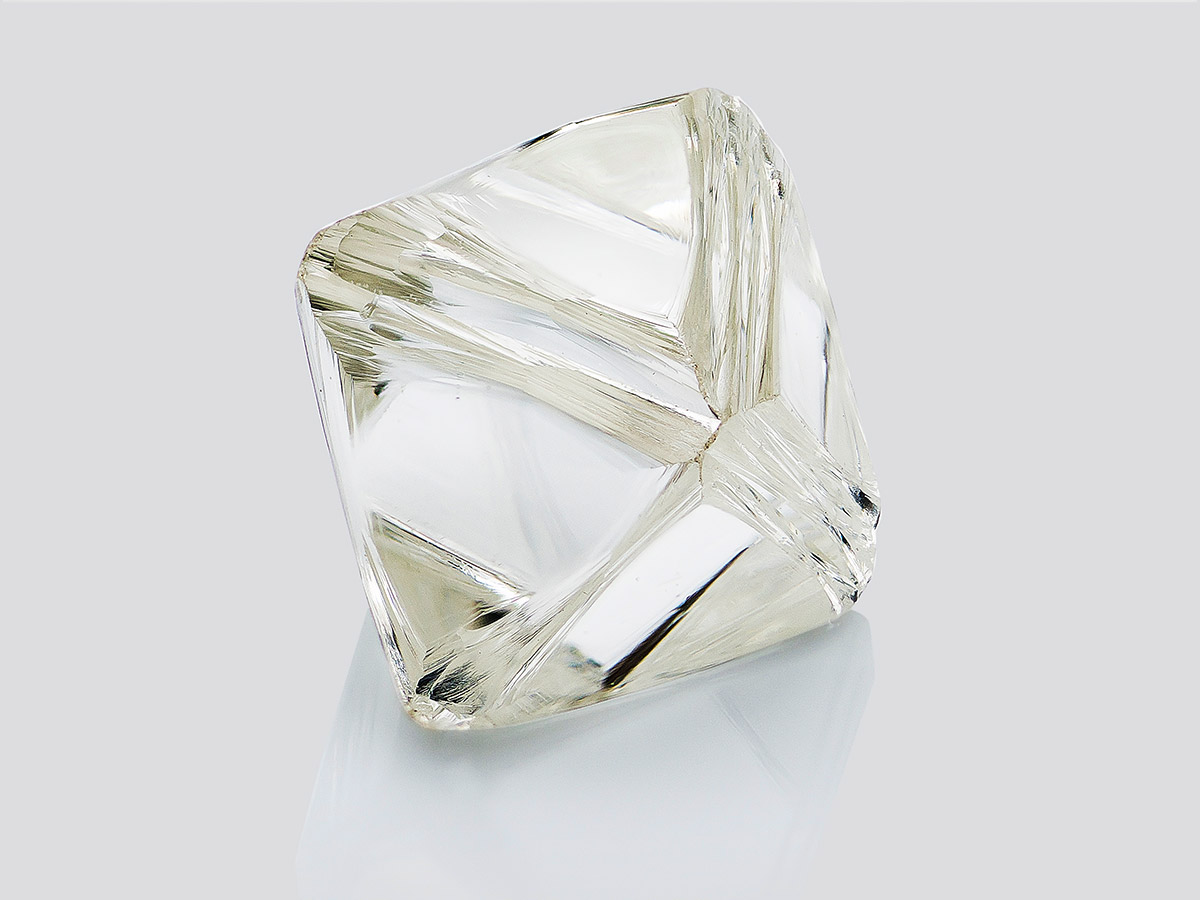
Diamonds symbolise clarity and strength. The name Diamond comes from the Greek word ‘adamas,’ or ‘invincible’. Love for the April birthstone started in India, where diamonds were gathered from the country’s rivers and streams. They were traded as early as the fourth century BC, and later, caravans brought Indian diamonds to medieval markets in Venice. Archduke Maximilian of Austria gave Mary the first diamond engagement ring in 1477. Later, Brazil emerged as a source. The discovery of diamonds near Kimberley, South Africa, in the late 1860s marked the beginning of the modern diamond market. De Beers Consolidated Mines was established in 1888, and by 1900, De Beers controlled an estimated 90 per cent of the world’s rough diamond production. The largest diamond ever found, 3,106 ct, was recovered from a mine in South Africa in 1905. From this, the pear-shaped 530 ct Cullinan I diamond, also known as the Great Star of Africa, was created, and it is now set in the Royal Sceptre in the Tower of London. In recent years, lab-grown diamonds have disrupted the natural diamond market. Both are classified as diamonds and can be differentiated only by using specialised gemmological equipment. Hardness: Excellent - Mohs scale 10
April-Diamond
May - Emerald
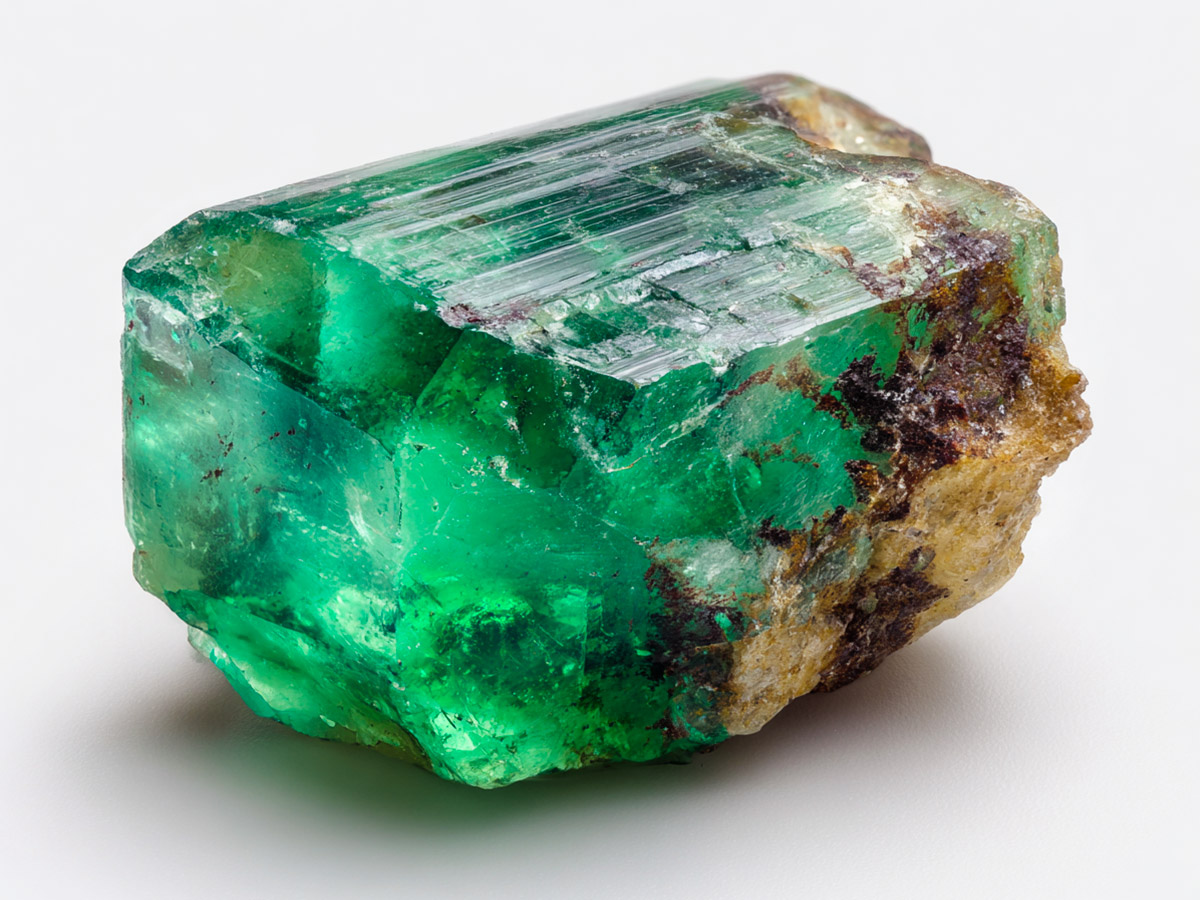
The first known emerald mines were in Egypt, dating back to 330 BC and continuing into the 1700s. Cleopatra was known to have a passion for emeralds and used them in her royal adornments. Emeralds have come from Colombia since the 16th Century, initially by Spanish Explorers, and remain the world’s most desirable source. Emeralds were symbols of spring and renewal, fertility, wisdom and insight, immortality, and divine favour. Emeralds from Colombia’s Muzo and Chivor mines can exceed the price per carat of diamonds, rubies, or sapphires. Emerald, from the beryl family, is green to bluish green, coloured by chromium and vanadium. Emeralds have more inclusions than other gemstones, so they are often treated to disguise cracks & flaws. To minimise material loss when cut, the step-cut, or emerald cut, is used. It’s also the gemstone for 20th and 35th wedding anniversaries. Hardness: Fair-Good - Mohs scale - 7.5 - 8
May - Emerald
June-Alexandrite
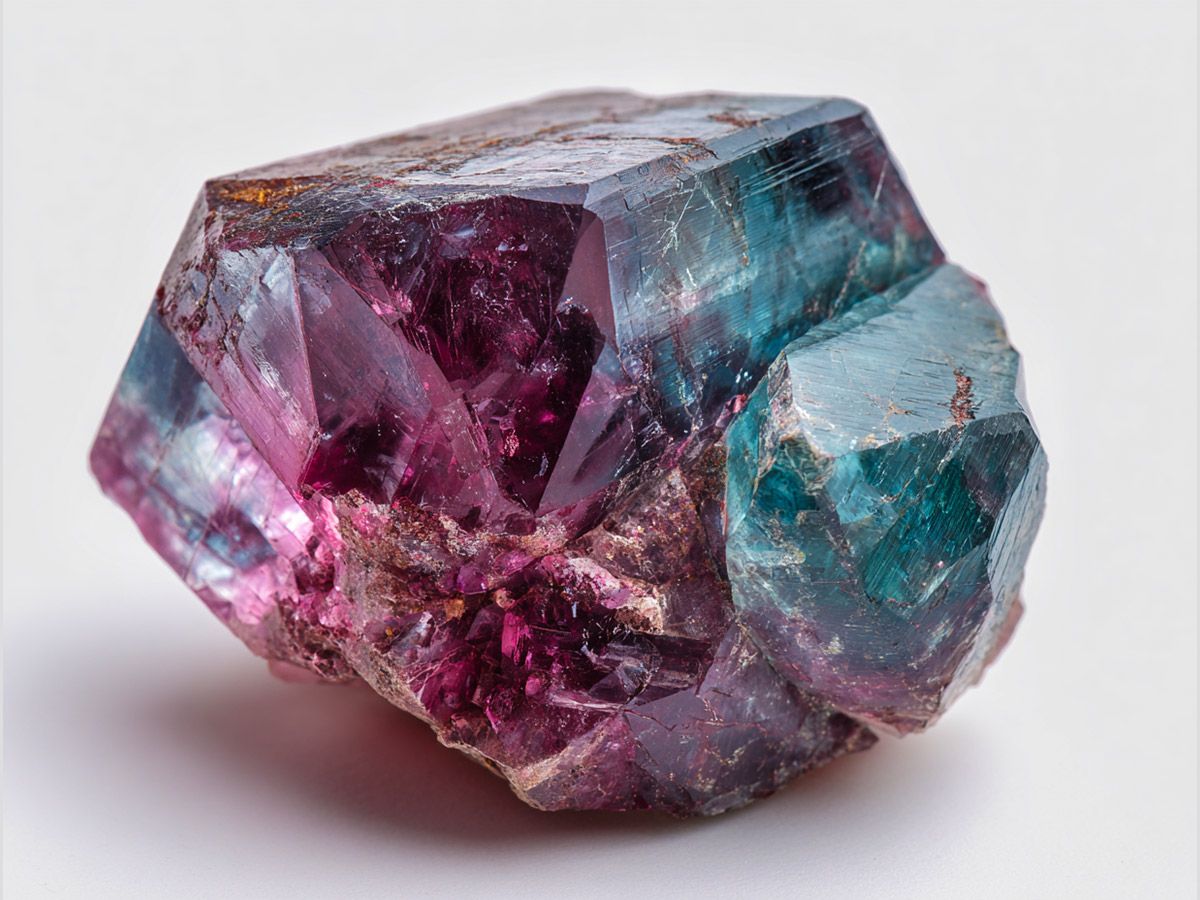
Alexandrite is also a strongly pleochroic gem, meaning it can show different colours when viewed from different directions. Typically, its 3 pleochroic colours are green, orange, and purple-red. This phenomenon results from how the crystal absorbs and reflects different wavelengths of light, due to trace amounts of chromium. Discovered in the Ural Mountains of Russia in the 1830s, it was named after Tsar Alexander II. Because it changes between red and green, it has become the symbolic national gemstone of Russia. Hardness: Good - Excellent - Mohs scale 8.5
June-Alexandrite
June-Pearl
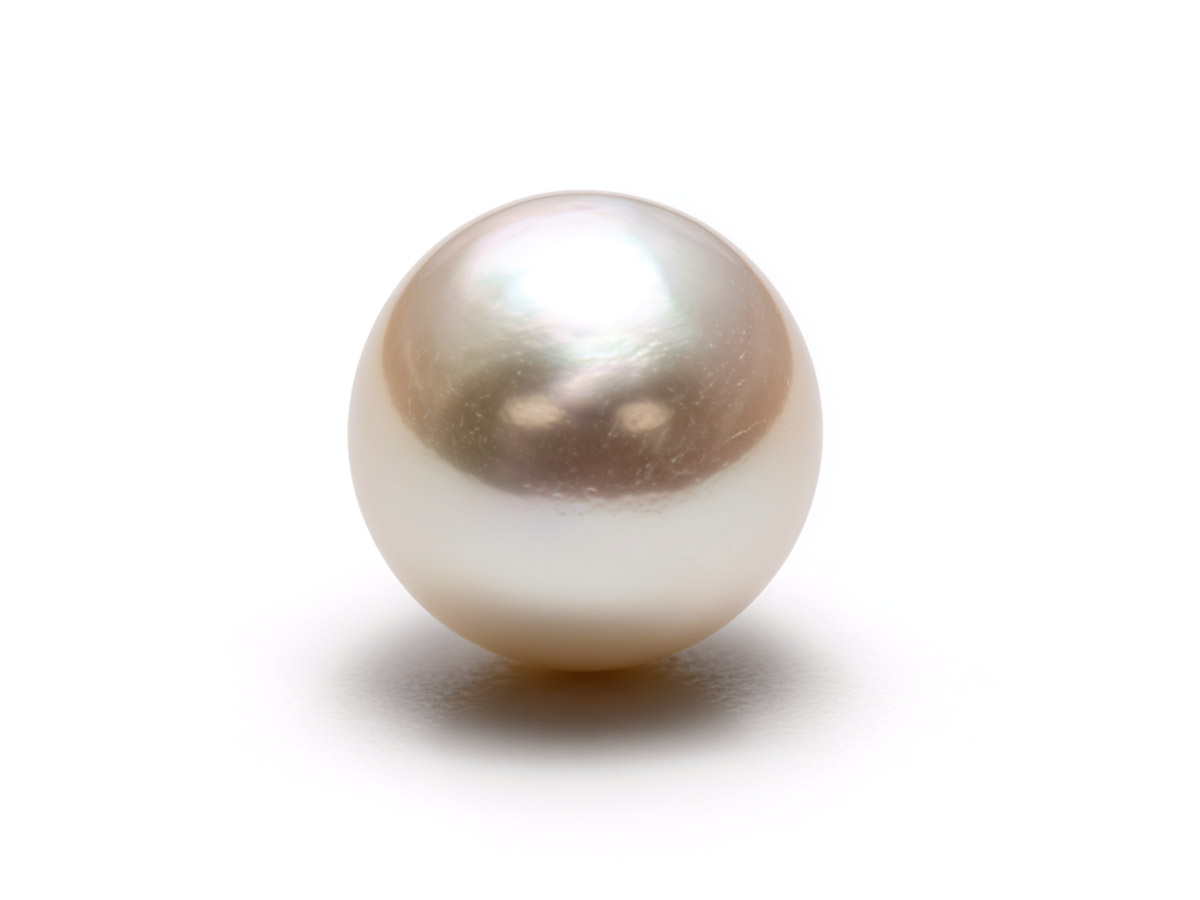
Pearls, once thought to be tears of the gods, are organic gemstones formed inside living molluscs such as oysters and mussels. They form when a tiny irritant (a grain of sand or intentionally inserted nucleus) gets inside the mollusc. The animal coats it with ‘nacre’ layers of aragonite (a form of calcium carbonate) and a protein called conchiolin. These layers build up into a smooth, lustrous sphere or shape. Light reflecting from these overlapping layers produces a characteristic iridescent lustre. In many cultures, pearls symbolise wisdom, purity, and wealth. Traditional pearls have a long history, with fossilised pearls dating back 200 million years. In many cultures, pearls symbolise wisdom, purity, and wealth. Pearls naturally occur in a wide range of colours, and each colour is typically linked to a specific type of mollusc and location. White Pearls from Akoya saltwater oysters (Japan, China, Vietnam) and Freshwater mussels (China). Cream, ink and purple pearls from freshwater oysters in China. South Sea pearls are pearls produced by large Pinctada maxima oysters, from the warm, clean waters of the South Pacific in Australia, Indonesia and the Philippines. They are larger, slow-growing, 2-4 years, and have a thick nacre, giving them a soft, glowing lustre with a variety of colours. Hardness: Good - Mohs 2.5-3
June-Pearl
June-Moonstone
According to Hindu mythology, moonstone is made of solidified moonbeams. Its soft light seems to float beneath its surface. A member of the feldspar group, it has a bluish or white sheen that shifts when the stone is tilted, an effect caused by light scattering between microscopic mineral layers. This phenomenon is known as adularescence. A good moonstone should be almost transparent and as free of inclusions as possible. Inclusions can potentially interfere with the adularescence. Hardness: Good - Mohs scale 6–6.5
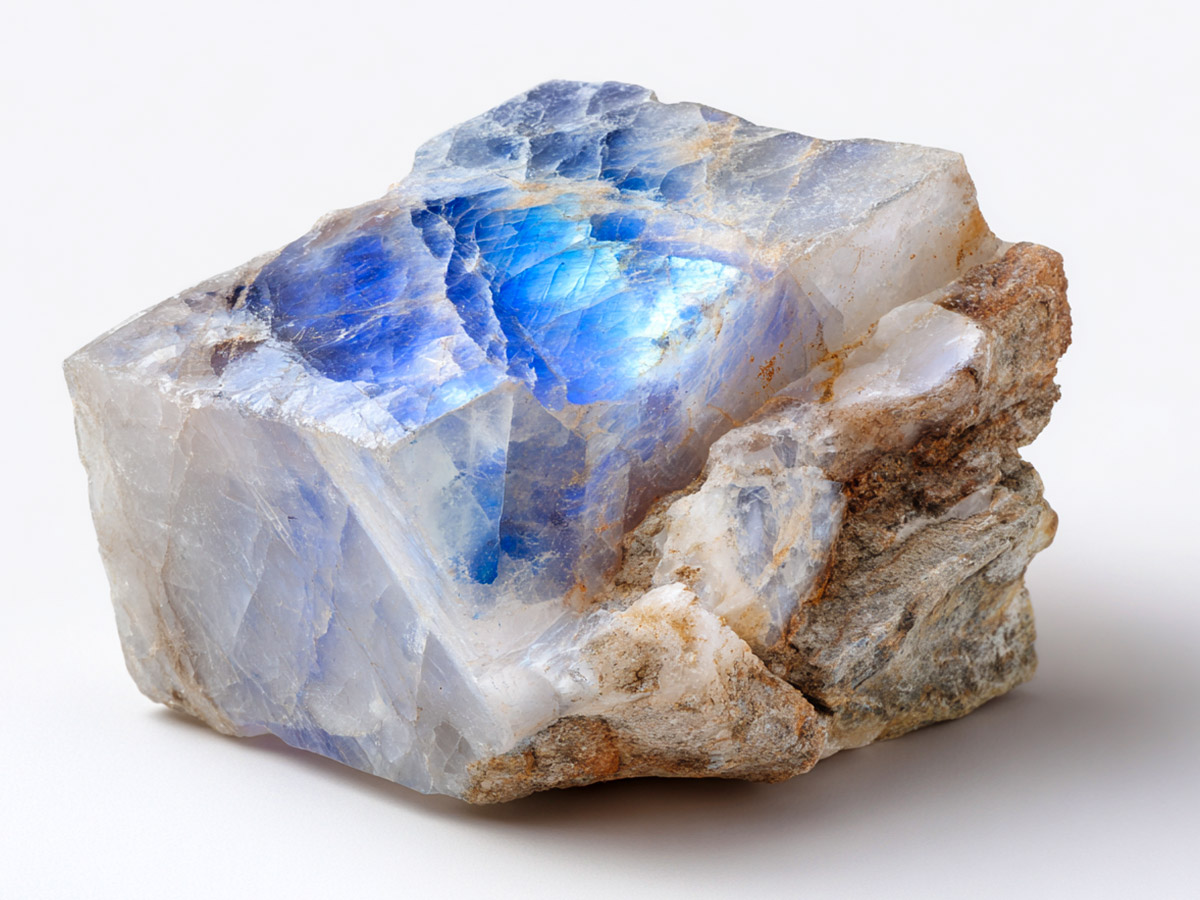
June-Moonstone
July-Ruby
A ruby is a precious gemstone made of the mineral corundum, the same mineral as sapphires. Its red colour comes from traces of chromium, and the colour is the most significant factor affecting its value. Natural rubies are found in metamorphic or igneous rocks and come from many countries, with the finest stones from Myanmar. Rubies naturally have inclusions, called needles or silk, which can enhance durability and appearance. Rubies have long been associated with love, passion, wisdom and success. Rubies can be heat-treated to improve their colour, and lab-grown rubies are an option. The Liberty Bell Ruby is a renowned sculptural gemstone crafted from the world's largest ruby, discovered in Tanzania in the 1950s of 8,500 carats. Hardness: Excellent - Mohs scale 9
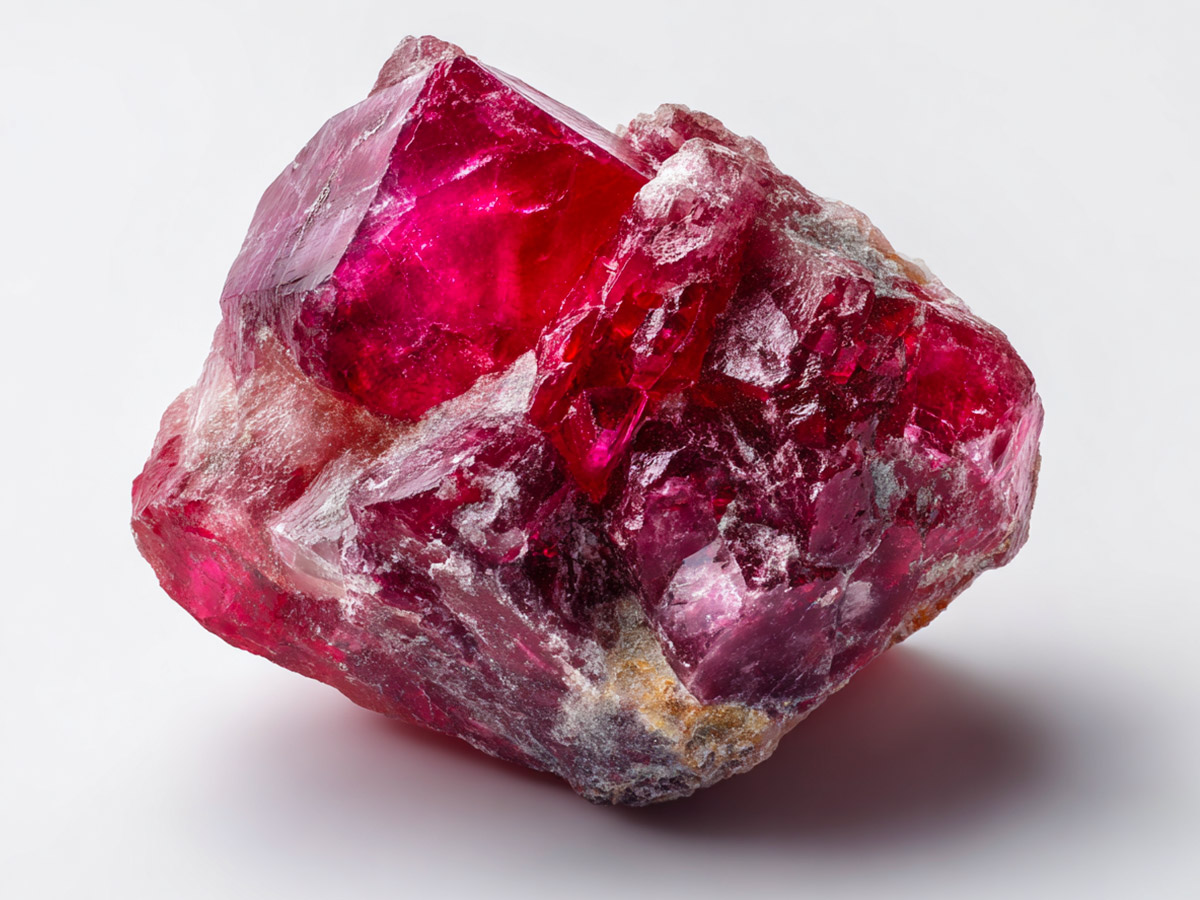
July-Ruby
August-Peridot
Peridot, sometimes called chrysolite, is a yellow-green transparent variety of olivine. Peridot is one of the few gemstones that occur in only one colour. Peridot can be found in mafic rocks, in lava, in peridotite xenoliths of the Earth’s mantle, and in meteorites. The ancient Egyptians mined peridot on the Red Sea island of Zabargad, the source for many large peridots in the world’s museums. Known as the stone of compassion, Peridot is believed to alleviate jealousy, encourage personal growth, and its presence in meteorites links it to the cosmos, inspiring wonder and exploration. Peridot is sourced from China, Egypt, Myanmar, and other countries. Hardness: Fair-Good – Mohs scale 6.5-7
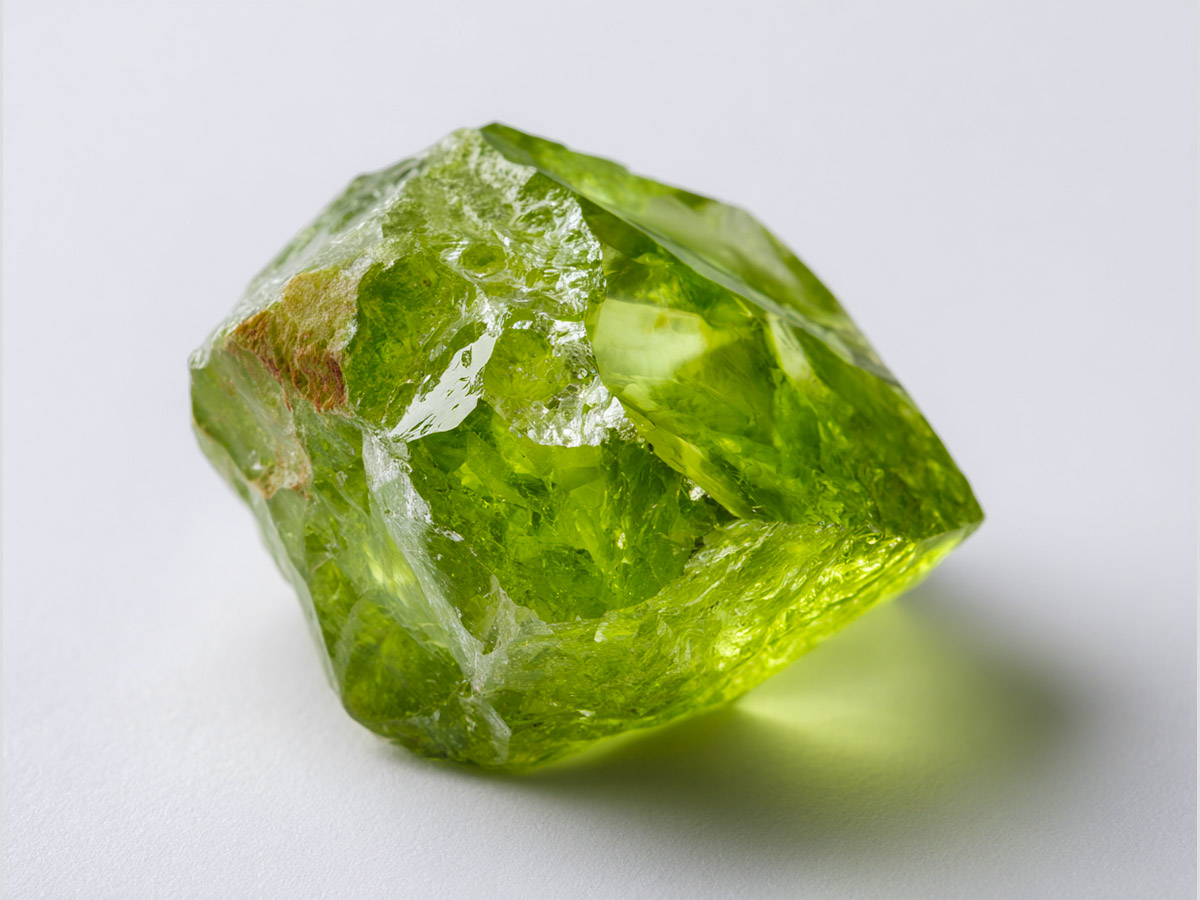
August-Peridot
August-Spinel
Spinel is a natural gemstone made of magnesium aluminium oxide. It occurs in many vibrant colours due to various impurities and is known for its brilliance and durability. Red spinel coloured by chromium and iron was thought to be a variety of ruby. The name comes from Latin ‘spina’ or thorn, referring to the shape of the crystals. One of the most famous spinels is the 170ct ‘Black Prince’s ruby.’ This historic crimson-red gem is set in England’s Imperial State Crown, displayed in the Tower of London. It first appeared in the historical records of 14th-century Spain and was owned by a succession of Moorish and Spanish Kings before Edward, Prince of Wales, the ‘Black Prince’, received the stone in 1367, as payment for a battle victory. Spinels occur in granite and metamorphic rocks, and pebbles containing spinel are found in Myanmar, Sri Lanka, Madagascar, and other countries. Hardness: Good - Mohs scale 8
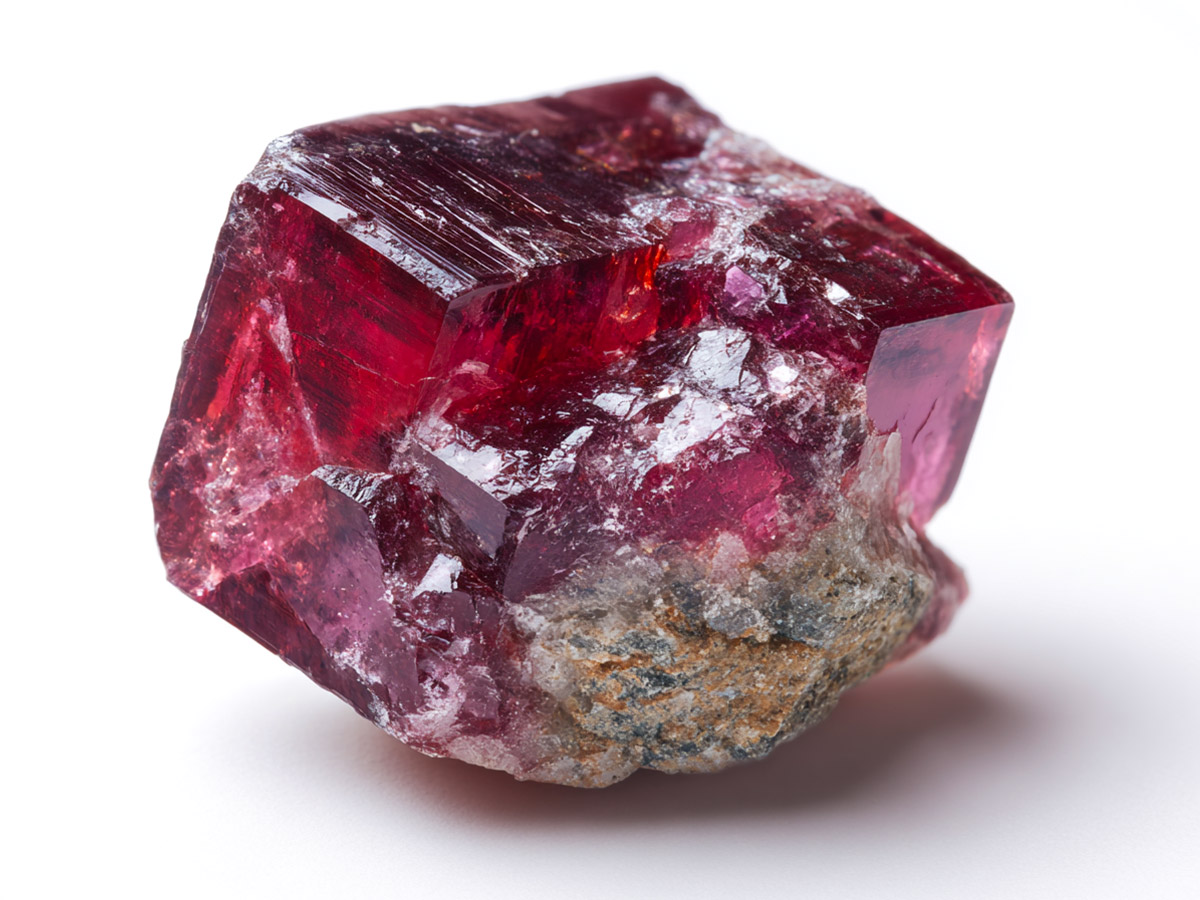
August-Spinel
September-Sapphire
Sapphire has traditionally symbolised sincerity, truth, faithfulness and nobility. The elite of ancient Greece and Rome believed that blue sapphires protected their owners from harm and envy. Clerics of the Middle Ages wore sapphires because they symbolised Heaven. Ancient Persians believed the earth rested on a giant sapphire, which made the sky blue. Sapphires were discovered in Kashmir around 1881 when a landslide high in the Himalayas exposed a large pocket of velvety “cornflower” blue crystals. From 1882 to 1887, thousands of large, beautiful crystals were recovered. Sapphires are also found in Myanmar and other Asian countries, as well as Australia, and Montana, USA. Sapphire, like rubies, is a member of the mineral species corundum. Fancy sapphires can come in many colours, as well as rich hues of blue. The colour variation is due to iron and titanium impurities. Most sapphire is heat-treated to improve its colour. Lab-grown sapphires are also made. Hardness: Excellent - Mohs 9
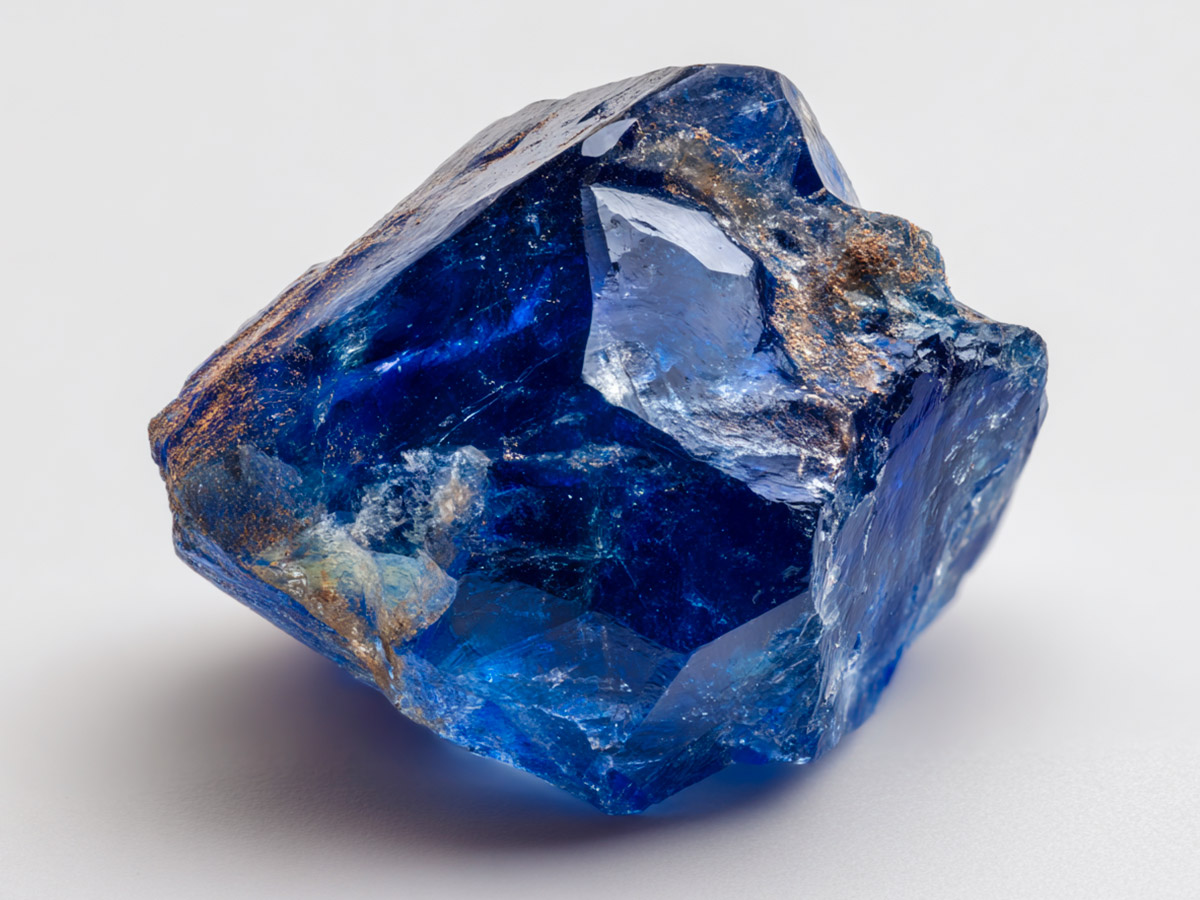
September-Sapphire
October-Opal
Opal is believed to have originated in India (the source of the first opals brought to the Western world), where it was called upala in Sanskrit, a “precious stone.” In ancient Rome, this became opalus. Opals have been associated with creativity, imagination and emotional expression. Most opals are valued for their shifting colours in rainbow hues – a phenomenon known as “play-of-colour.” Opals have unique patterns. Opal is a hydrated form of silica. The play-of-colour of blue, green and red appear when the gem is moved. This effect comes from microscopic silica spheres that diffract light. The different sizes of spheres create a range of colours. Opals are found in sedimentary rocks. Australian opals are recognised to the finest quality and is the leading producer, for black, crystal and boulder opals. Opals are also found in Ethiopia, Brazil and Mexico. Hardness: Poor-Fair - Mohs scale 5-6.5
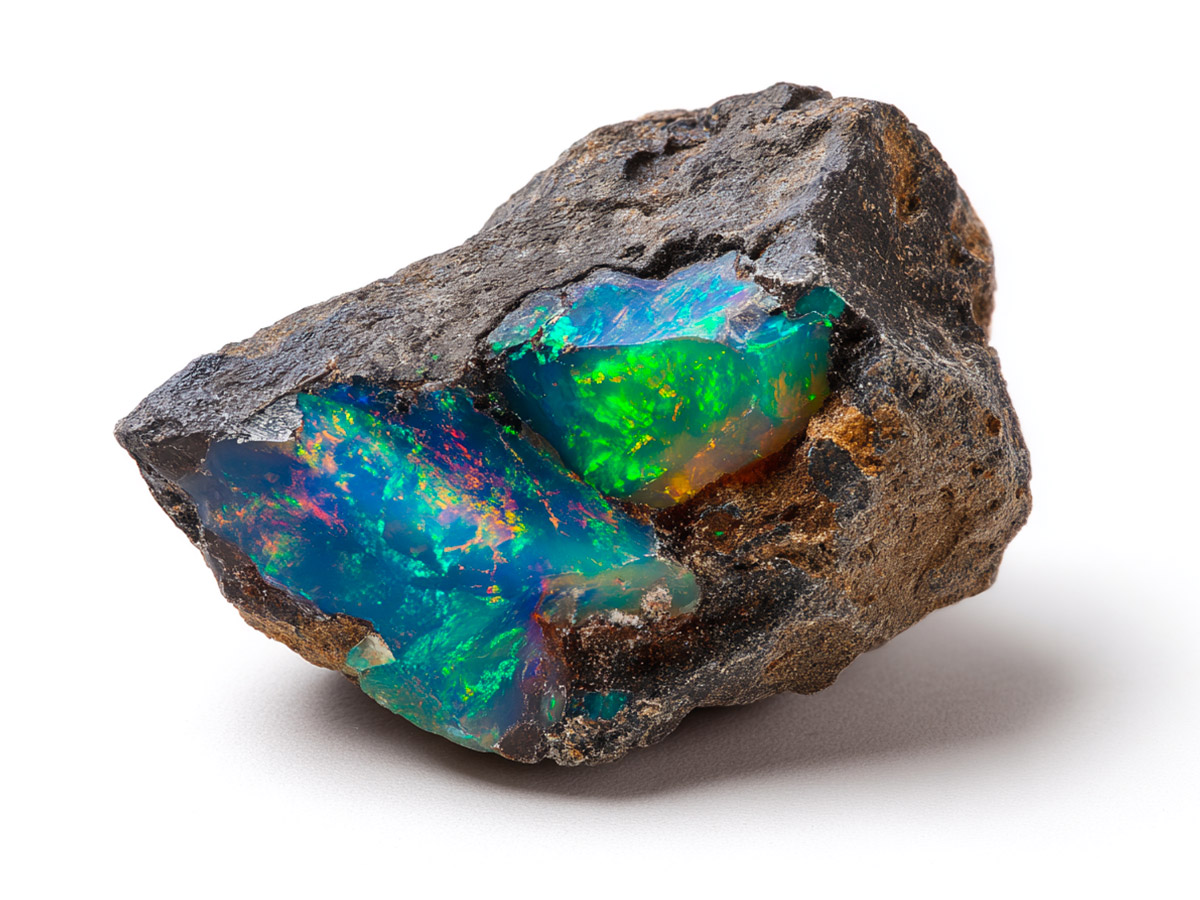
October-Opal
October-Tourmaline
The name comes from the Sinhalese word ‘toramalli’, which means ‘stone with mixed colours’. It often has multiple colours within a single crystal. Egyptian legends told of tourmaline gathering all the colours whilst travelling along a rainbow. Ancient mystics believed tourmaline could inspire artistic expression – it has a colour palette for every mood. The crystal structure of coloured tourmalines is trigonal, composed of complex borosilicate. Many tourmalines are pleochroic, showing different colours depending on the viewing angle; for example, pink appears more intense when viewed from one direction. Tourmaline has more colours than any other gemstone, including blue-green (Paraiba) found in Brazil. Tourmaline is also found in the USA, Brazil and African countries. Pink and green ‘watermelon’ tourmaline has both colours in distinct zones of the crystal. Some black tourmalines form a cat’s-eye effect (chatoyancy). Tourmaline is given to celebrate the 8th wedding anniversary. Hardness: Fair - Mohs scale 7.5
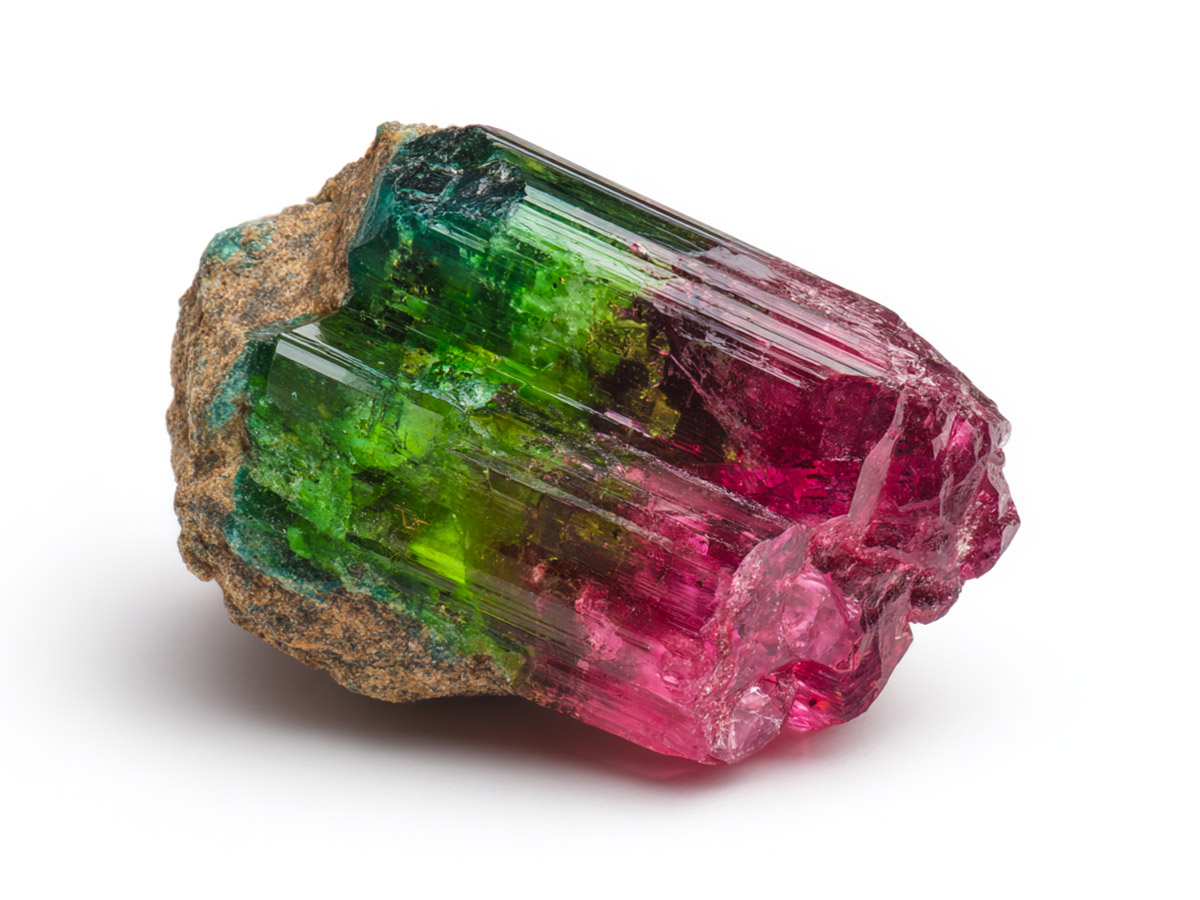
October-Tourmaline
November-Topaz
Topaz is a hard, silicate mineral known for its wide range of colours (clear, blue, yellow, pink, brown) and is often found in igneous rocks such as granite, formed in high-temperature environments. The majority of blue topaz comes from changing the colour by irradiation and heating. Deep golden yellow topaz is called ‘sherry topaz’. Natural pink topaz is rare, and much of the ‘pink’ topaz is heat-treated yellow topaz. Topaz has one perfect cleavage. It has an orthorhombic crystal structure and is made of aluminium fluorohydroxysilicate. The ancient Greeks believed that topaz gave them strength. For centuries, many people in India have believed that topaz worn above the heart assures long life, beauty and intelligence. Brazil and Pakistan are sources of Topaz. Blue topaz is the gem of the 4th wedding anniversary; Imperial topaz (purplish orange) is the gem for the 23rd. Hardness: Fair - Mohs scale 8
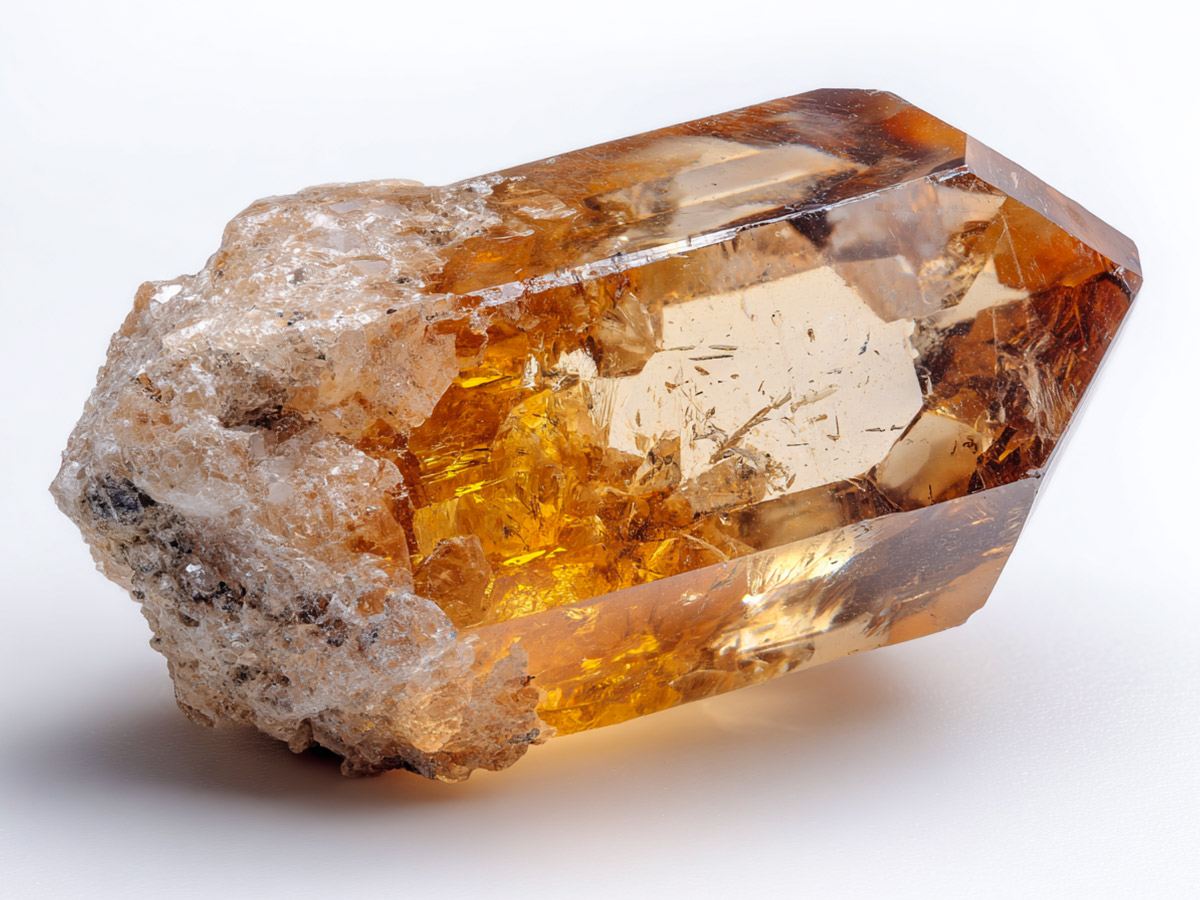
November-Topaz
November-Citrine
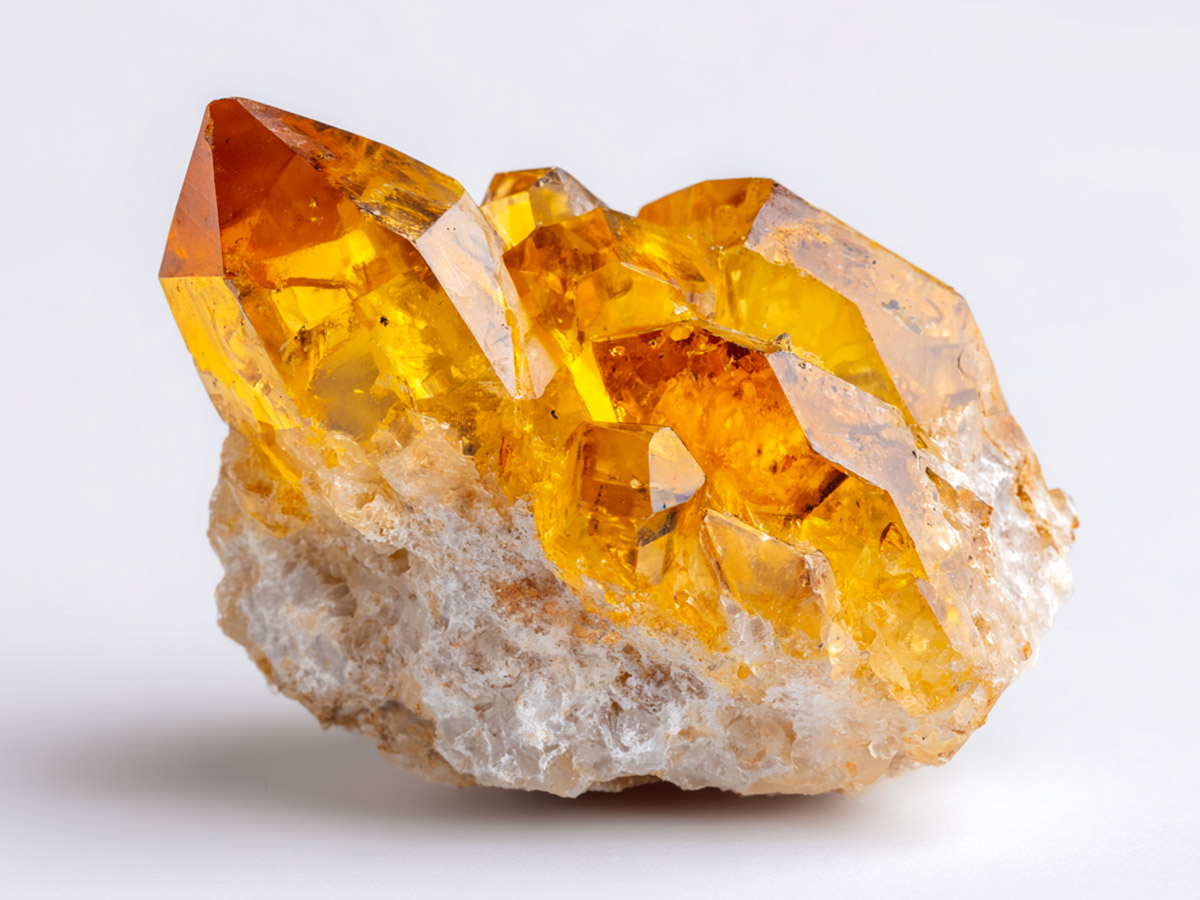
Citrine is the yellow or gold variety of quartz, with colour due to the presence of iron. Called citrine from the French ‘citron’. Natural citrine, found in Brazil & Madagascar, is pale yellow; however, much citrine is heat-treated amethyst. The heating changes the colour from purple to yellow/orange. The yellow colour comes from trace iron impurities and how they are oxidised, either by natural heat from the Earth or by artificial heating. In ancient Greece, citrine was believed to be a gift from the sun and was used for protection against snakes and evil thoughts. Citrine rarely has visible inclusions, so most pieces look very clear and sparkly without significant treatment. Citrine is given as a 13th wedding anniversary gift. Hardness: Good - Mohs scale 7
November-Citrine
December-Tanzanite
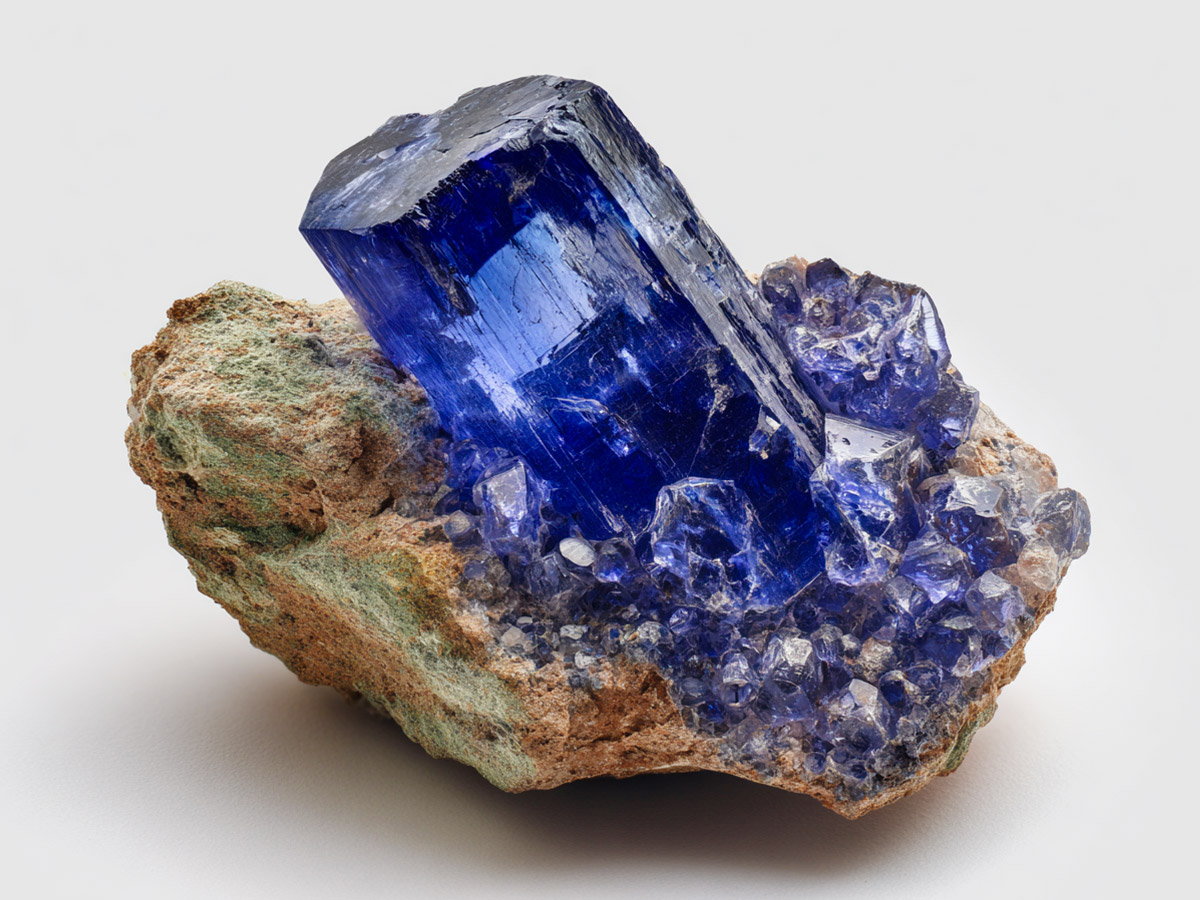
Tanzanite is one of the most unique, exotic, and geologically fascinating gemstones discovered in the last century. Tanzanite comes from the Merelani Hills near Mount Kilimanjaro in Tanzania. It was discovered by a Maasai cattle herder in 1967 and named Tanzanite in honour of its country of origin. Having a single origin and potentially fully mined within a century, makes tanzanite a valued, rare gemstone. Tanzanite is a variety of the gemstone zoisite, composed of calcium aluminium hydroxysilicate. Tanzanite is pleochroic, displaying three colours depending on the viewing angle: blue, violet, and reddish-burgundy or bronze. Most tanzanite is heat-treated to transform brownish zoisite into violet or blue tanzanite. Tanzanite is also the gem for the 24th wedding anniversary. Hardness: Fair - Poor - Mohs scale 6-7
December-Tanzanite
December-Turquoise
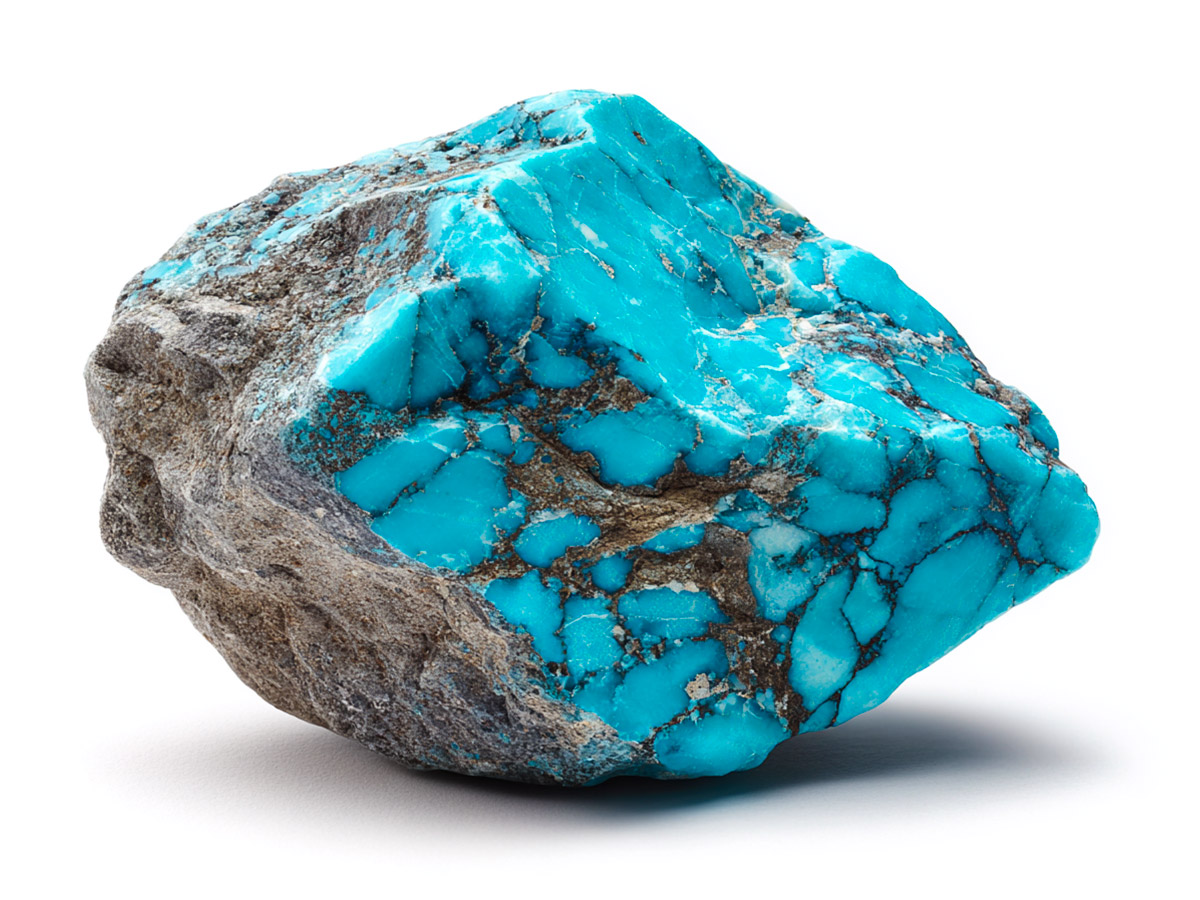
Turquoise is one of the most ancient and culturally significant gemstones in human history having been mined for over 7,000 years. Archaeological excavations revealed rulers of Ancient Egypt wore turquoise jewellery and Chinese artisans carved it over 3,000 years ago. Turquoise has been called the ‘Stone of Heaven’ in many cultures. In Native American traditions, turquoise is used in healing rituals and ceremonies and symbolises life, sky, and water. Turquoise is a semi-translucent to opaque gemstone that ranges from blue to green and often has matrix veins (remnants of the rock in which it formed) running through it. It has been mined in Iran for more than 1,000 years. Today, China is the world’s largest producer of Turquoise. Turquoise is also the gem of the 11th wedding anniversary. Hardness: Fair - Good - Mohs scale 5-6
December-Turquoise
December-Zircon
Zircon comes from the Persian word ‘zargun’, or ‘gold coloured’. It is best known for colourless stones that resemble diamonds. Although colourless when pure, impurities produce brown, yellow, red, green and blue varieties. Colourless zircon is known for its brilliance and flashes of multi-coloured light, called fire, which have resulted in centuries of confusion with diamond. Zircon crystals were identified in Australia and dated to some 4.4 billion years old. During the Middle Ages, Zircon was thought to lull one into a deep sleep and scare off evil spirits. In Hinduism, zircon is paired with hessonite garnet as one of the nine gems of the Navaratna. In medieval Europe, colourless zircon was thought to bring wisdom, honour, and prosperity. Zircon is the natural gemstone of zirconium silicate. Cubic zirconium is lab-grown, but unlike lab-grown diamonds, which share the same chemical structure, cubic zirconia has a different one: zirconium dioxide. Hardness: Fair - Mohs scale 7.5